
THE UNSEEN COSTS OF FRAUD IN SMALL BUSINESSES
2024-02-12
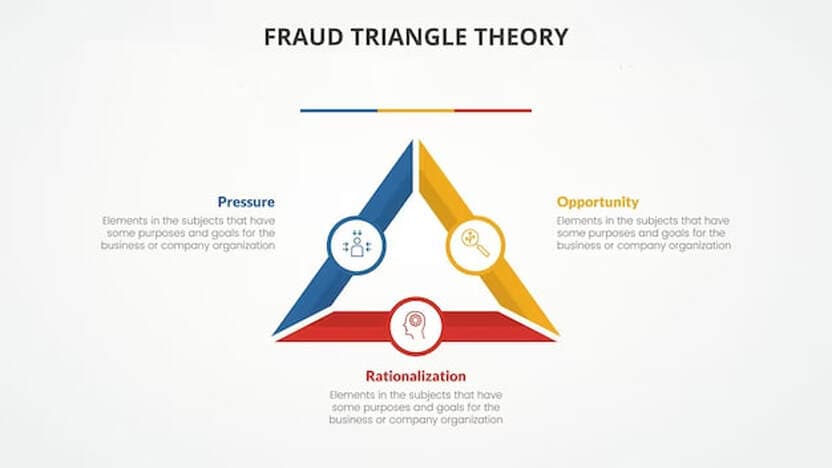
Small businesses are the backbone of the economy, but they're also a prime target for fraud. While large corporations can easily absorb losses from fraud, small businesses often struggle to recover, with some even being forced to close their doors. We'll delve into the hidden costs of fraud for small businesses and offer preventative measures to safeguard against these risks.
The Far-Reaching Impact of Fraud
Fraud affects businesses in various ways, causing financial losses and damaging their reputation, morale, and operational efficiency. The Association of Certified Fraud Examiners (ACFE) reports that businesses lose approximately 5% of their annual revenue to fraud each year. This is staggering, particularly for small businesses operating on tight margins.
Key Insights
Nearly half of all victim organizations do not recover any of their losses due to fraud.
Ensuring that a single person isn't solely responsible for both accounts receivable and accounts payable can significantly reduce fraud risk.
The Dark Figures of the ACFE Report
The ACFE provides alarming statistics about the prevalence and real cost of business fraud:
$125,000 – The median loss suffered by businesses due to occupational fraud.
14 months – The average length of time a fraud scheme runs before it is detected.
66% – The proportion of business frauds committed by individuals operating across six departments: accounting, operations, sales, executive management, purchasing, and customer service.
It is clear from these figures that internal fraud is not only costly, but it also goes undetected for significant periods.
The Toll of Fraud on Small Businesses
Small businesses are disproportionately affected by fraud. For an organization operating on a $700,000 annual budget, a loss of $125,000 can be completely devastating. In many cases, the business may never recover these funds, leading to staff downsizing or even permanent closure.
Average business loss: $125,000 per incident.
21% of victim organizations reported losses exceeding $1,000,000.
Steps to Prevent Business Fraud
Fraud prevention is crucial for every organization, but particularly for small enterprises that lack redundant financial reserves to absorb a major fraud event. Businesses should implement these preventative controls:
Segregate Financial Duties: Separate authorization, execution, and reconciliation responsibilities across multiple employees so discrepancies are spotted immediately.
Monitor Ledger Transactions: Regularly audit statements and books to identify unusual vendors, round-number payments, or atypical payment schedules.
Implement Internal Approval Controls: Enforce dual-signoff thresholds on large payments and mandatory independent audits.
Common Threat: Asset Misappropriation
Asset misappropriation—where an employee steals or misuses company resources—is the single most common category of workplace fraud. Common variations include check forgery, inventory shrinkage, and fraudulent expense reimbursements. The median loss for this category alone stands at $100,000.
The Rise of Credit Card Scams
As small businesses increasingly conduct sales online, merchant fraud and card-not-present scams have escalated. These attacks cause direct chargeback fees, loss of goods, and processing penalties. Studies project that small and medium enterprises will have lost over $130 billion to online transaction fraud.
The Threat of Business Email Compromise (BEC)
Business Email Compromise (BEC) is another acute danger, where adversaries spoof or compromise executive email accounts to trick accounting staff into initiating wire transfers. The FBI reports that BEC schemes have cost organizations billions in unrecoverable funds.
Protecting Your Organization
Preventing fraud requires continuous vigilance. Best practices include conducting thorough background checks on staff handling money, segregating banking duties, and establishing strict verification protocols for any wire or electronic payment changes.
For digital and vendor transactions, utilize Address Verification Services (AVS), educate employees about phishing and spoofing vectors, and verify bank details over a trusted secondary telephone channel.
Conclusion
While the risk of occupational and external fraud is permanent, disciplined operational safeguards provide strong protection. By implementing redundant internal controls, maintaining separation of duties, and fostering an alert company culture, you can substantially reduce your organization's exposure to devastating fraud losses.