
THE POWER OF FREE PUBLIC RECORDS: UNLOCKING A WEALTH OF INFORMATION
2023-06-20
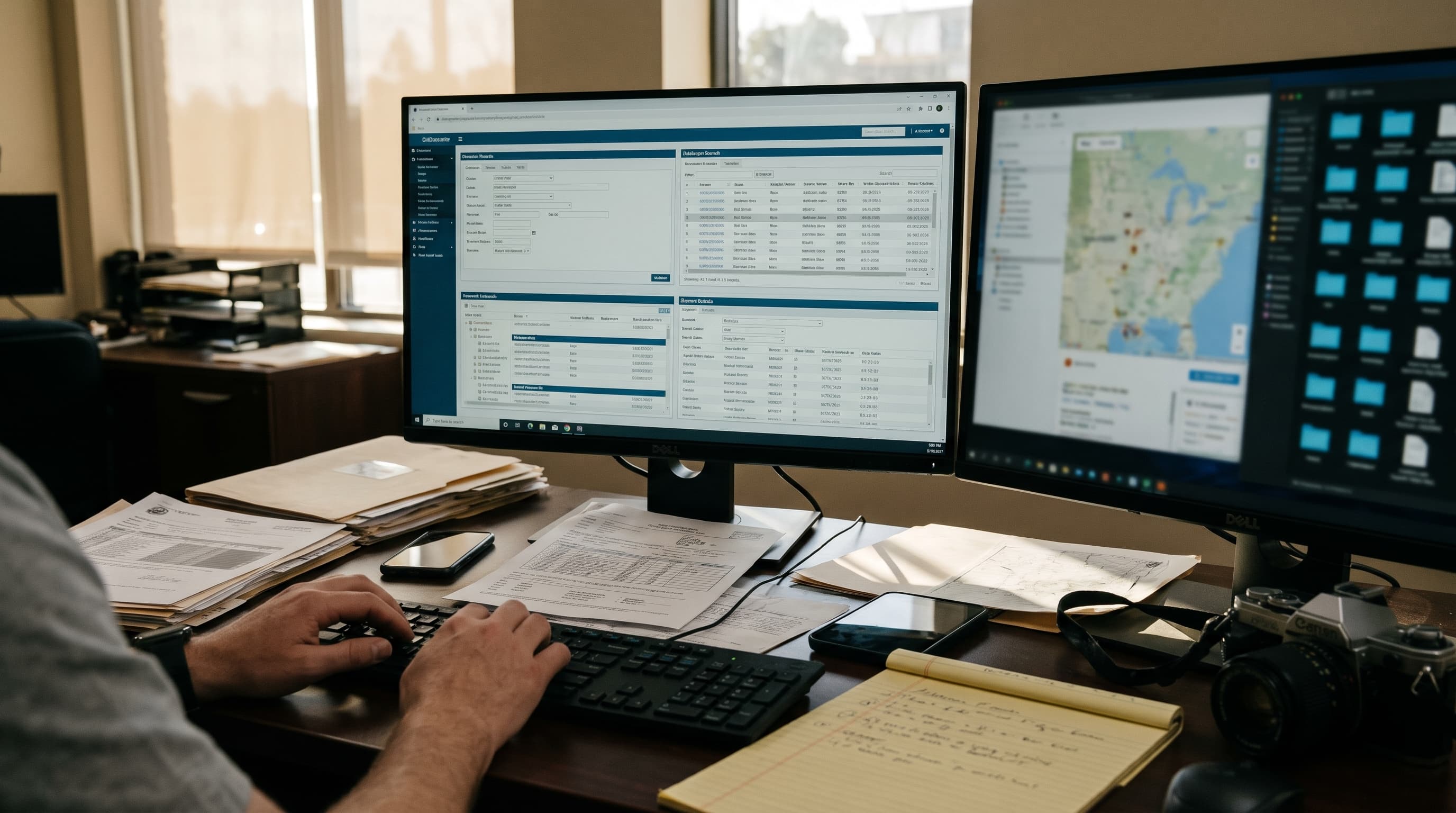
In today's digital age, access to information is just a click away. Gone are the days of manually requesting records from courts or government agencies or spending hours combing through documents. With modern technology, people can access a wealth of data quickly and easily. However, this abundance of information can also lead to information overload, making it challenging to find specific, actionable intelligence. That is where structured public records databases come in.
Free public records databases offer a treasure trove of information that can be accessed by anyone. Whether you are a legal professional, investigator, collections agent, or simply conducting due diligence on an individual's background, these databases provide the necessary intelligence to make informed decisions. In this article, we explore the power of free public records and how they can be utilized effectively to save time, enhance due diligence, and streamline research processes.
The Benefits of Public Records Lookup
Performing a public records lookup is a game-changer for legal counsel, debt recovery specialists, private investigators, and compliance officers. These repositories provide vital insight into personal histories, corporate affiliations, property holdings, and legal proceedings. Key advantages include:
1. Comprehensive Background Checks
When conducting due diligence or vetting counterparties, having access to accurate, up-to-date data is paramount. Free public records allow you to cross-reference address histories, known relatives, business associates, and historical utility footprints. This information is invaluable for legal teams locating elusive witnesses, collection agents attempting to skip trace debtors, and investigators establishing character baselines.
2. Business Insights with Corporate Records Search
In addition to individual records, public databases provide access to company filings and commercial credit intelligence. A corporate search unveils a company's financial history, payment behavior, executive officers, registered agents, and formal corporate filings. Legal professionals involved in commercial litigation rely on this data to establish creditworthiness, pierce corporate veils, or identify tangible assets for recovery.
3. Real-Time Incarceration Records for Risk Mitigation
For financial services, risk management, and investigative operations, staying informed on criminal activity and incarceration status is critical. Public databases offer real-time detention records, enabling compliance teams to monitor active vendor or customer risks. For debt recovery teams, checking correctional databases prevents wasted resources spent attempting contact with individuals currently serving prison sentences.
How to Effectively Utilize Public Records Databases
To extract the highest value from public records while avoiding wasted effort, consider these practical methodologies:
Perform Deep People Searches: Begin with foundational identifiers such as full legal name, prior postal addresses, telephone numbers, and date-of-birth indicators. This uncovers marriage indexes, probate filings, secondary email contacts, and associated relatives for right-party contact.
Leverage Automated API Integration: Select database platforms that offer customizable API connections and batch processing to import search queries directly into existing CRM or case management workflows.
Examine Commercial Credit and Lien Filings: Review business credit profiles to identify active tax liens, UCC filings, bankruptcy petitions, and executive histories before entering major partnership agreements.
Monitor Incarceration Alert Feeds: Set up proactive monitoring feeds to receive timely notification if critical witnesses, suspects, or defaulting counterparties are booked into regional or federal correctional facilities.
Conclusion
Public records have transformed investigative research and due diligence. By combining structured people searches, commercial registries, and incarceration monitoring, businesses and investigators can make swift, data-driven decisions while minimizing legal and financial risk.